
Natick’s town government, which more than two years ago began reviewing and revising its outdated on-premises alcohol license rules, this week is toasting the state for putting some of those changes into law.
One change does away with restaurants needing a minimum number of seats to be approved for an all-alcohol license (has been 100 seats) or wine and beer license (has been 15 seats).
Another update eliminates the need for non-profit private clubs that serve alcohol to get a special permit; their reporting requirements will become much less onerous.
The town has had to wait more than a year and a half for the state to take final action following Town Meeting approval of a home rule petition in late 2022 regarding the minimum seat capacity requirement.
The Natick Select Board lists the passage of these home rule petitions on its Tuesday, Oct. 1 meeting agenda. The Board in October will be discussing a new alcohol policy now that the 100-seat restriction has been lifted, and that policy could be adopted in time for license renewals to go out at the end of the month.
Select Board Chair Kathryn Coughlin terms the elimination of seat requirements as “big news,” and says it’s a reminder for the town not to relinquish local control on such matters given how long it took Natick to get these rules rescinded.
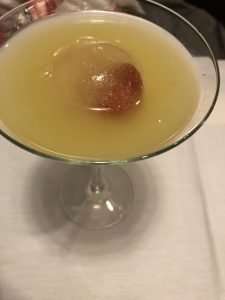 The change could allow restaurants with far less than 100 seats, like Ziti’s, to get all-alcohol licenses, and might attract others to open in Natick. New mixed-use developments, like Stonegate’s projects at 45 E. Central St. and on Summer Street, could be a fit for small restaurants that would seek all-alcohol or wine and beer licenses.
Paul Joseph, interim executive director of the Natick Center Cultural District, says “the exciting news is that the legislation will enable current and future businesses occupying some of our smaller-sized retail spaces to take advantage of new opportunities—whether by adding the service of alcohol to their existing operations or by opening new concepts, ranging from bistros to pubs to activity-based ‘experience retailers’ that might provide food and beverages as an amenity vs. them being their core business.”
He adds: “Access to a high-margin product like alcohol will help some businesses afford to sustain and grow their business in an increasingly higher-rent community and to attract ‘regulars’ from the hundreds of new housing units coming online over the next couple of years.”
Joseph, who finished his term on the Select Board this past spring, served on the team that began reviewing the town’s alcohol licensing policies more than two years ago. He continues to serve on the town’s Economic Development Committee.
Natick has seen nearby communities, including Wellesley, update their alcohol licensing rules and reap the benefits of having new businesses like black & blue Steak and Crab, Dryft, Laughing Monk Cafe, and Lockheart. The eateries have brought new life to Wellesley and contributed to its tax base.
Coughlin explains that beyond the obvious benefits like having new places for people to enjoy dining and to work at, the town collects local options taxes on meals, and meal tickets are higher when alcohol sales are included.
According to the town of Natick, it is allowed to grant 40 restaurant all-alcohol licenses, and has 14 available (2 of those are pending approval with the Alcohol Beverage Control Commission). Natick is also allowed to grant 8 wine, malt, and cordial licenses, and has 2 available.
More on town of Natick alcohol licensing.


Great news! Unfortunately, Natick has held antiquated and reactionary attitudes towards alcohol for decades — much to the detriment of the town and its residents. Glad to see Natick moving on.
Love to see some courageous entrepreneurs bring a Dam Park tavern and a cool general store to south natick by the river. So thirsty here.
Maybe it could be constructed from the pieces of the dam/spillway that are being removed…